Impact on the Global NEV Market
1. Policy Shift: Fossil Energy Inclination
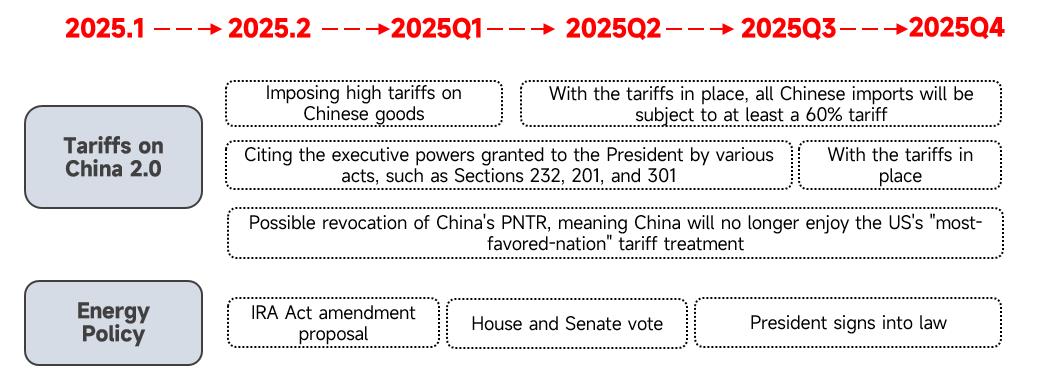
The Trump administration tends to support the fossil energy industry, especially coal and traditional oil industries. Completely abolishing the Inflation Reduction Act (IRA) may be challenging, and the Trump administration may retain subsidies for EV production but focus on consumer subsidies, such as the tax credit of up to $7,500 for purchasing new EVs mentioned in the IRA, and incentives for consumers buying used EVs. This will lead to a decline in the overall sales expectations of the US EV market, slowing down the electrification of the US auto market, especially in the early development stage that relies on subsidies.
2. Intervention of International Trade Policy
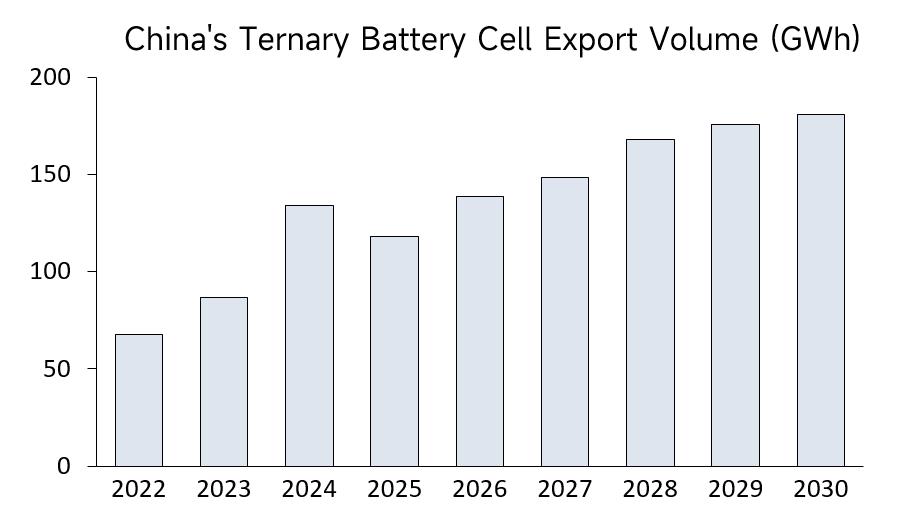
Trump plans to impose high tariffs on Chinese EVs and core components to protect US domestic manufacturing. This policy will pose significant challenges for Chinese NEVs entering the North American market. The current high tariffs imposed by the US government on Chinese goods include EVs, lithium batteries, solar cells, critical minerals, semiconductors, as well as steel and aluminum, port cranes, personal protective equipment, and other products. Among them, tariffs on EVs have increased from 25% to 100%, lithium batteries from 7.5% to 25%, and solar cells from 25% to 50%. Trump promised during his campaign that if he returns to the White House, he will impose a 60% tariff on Chinese products and up to 200% tariffs to prevent Chinese automakers from producing cars in Mexico and exporting them to the US. This high tariff policy not only affects the sales of Chinese NEVs in the US but may also prompt Chinese car companies to accelerate their local investment layout in the US to avoid tariff barriers, as Trump emphasizes US domestic manufacturing to increase job opportunities. According to SMM data, China's ternary battery cell exports are expected to reach 134GWh in 2024, up 54% YoY, partly due to China's cost advantages squeezing overseas markets and partly to avoid high tariffs on Chinese products next year, leading to a significant increase in ternary battery cell exports.
3. Industry Chain Migration and Market Differentiation
Although the US market may slow down, Europe and China have strong policy support in the NEV field, and global market demand may tilt more towards these two regions. Especially China, as a global leader in the NEV and battery fields, is expected to fill the gap left by the shrinking US market through policy support and expanded exports.
II. Impact on the Ternary Cathode Materials Market
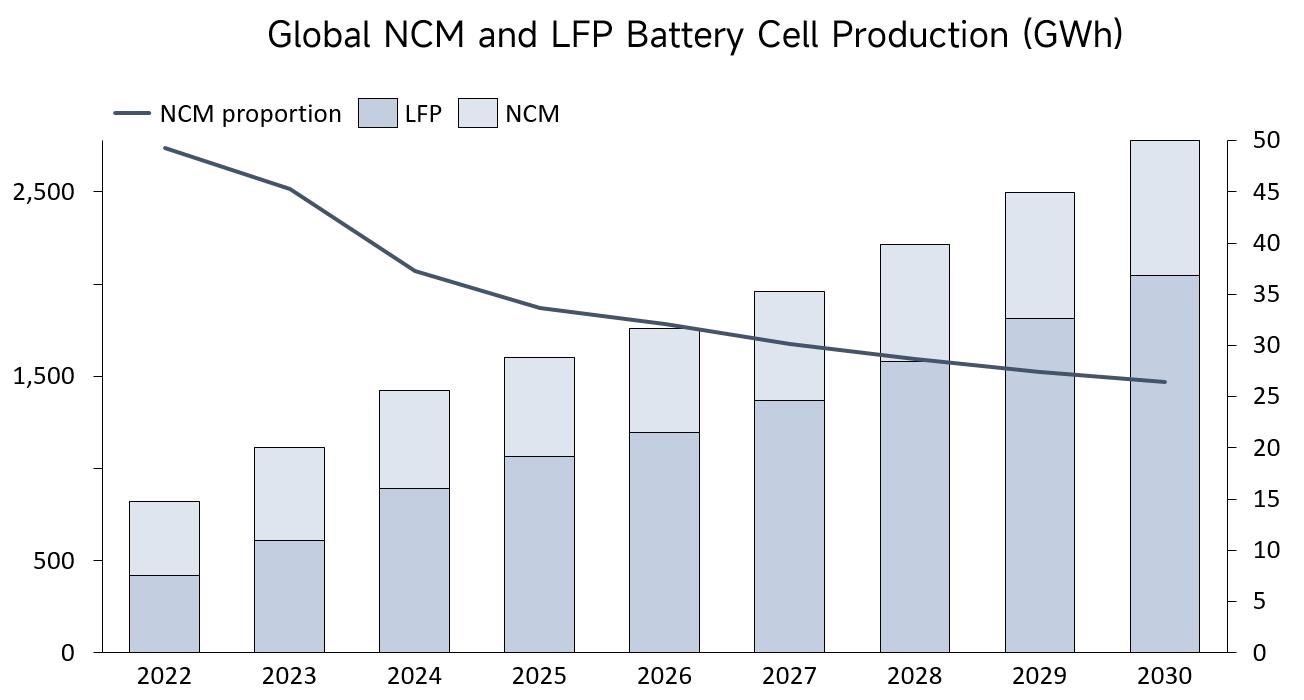
The demand for ternary cathode materials is highly dependent on the market size of NEVs. If the US NEV policy slows down, the demand growth for ternary cathode materials will be suppressed. According to SMM data, the global share of US NEV sales is only 10% in 2024, and it is expected to continue to decline in the future. However, due to its relatively small share, the suppression of demand for ternary materials is limited. The main growth points of ternary materials are in China and Europe. Increased support for the NEV market in China and Europe will further boost the global demand for ternary cathode materials. Especially China, as a global production site for power batteries and ternary cathode materials, will further strengthen its position in the global supply chain. However, in the current context of global car companies cutting costs and engaging in price wars, LFP materials with lower costs and higher cost-performance ratios are more favored. Battery cell manufacturers and material manufacturers are planning to layout LFP, and the future growth of cathode materials will rely more on LFP, with limited growth space for ternary materials.
In the long term, due to the impact of trade policies and resource price fluctuations, US companies will face increased cost pressure on ternary cathode materials. At the same time, as market expansion slows down, US companies may promote the localization or alternative research of key resources, accelerating the research on alternative new materials such as solid-state batteries.
Finally, SMM believes that the rise of the Trump administration has strengthened the position of traditional energy and weakened the development momentum of US NEVs, thereby affecting the market demand for ternary cathode materials. However, the development trend of the global NEV and battery industry remains irreversible. The strong demand in the Chinese and European markets will compensate for the possible shrinkage of the US market. For ternary cathode materials, although they may be constrained by policies and supply chain fluctuations in the short term, global demand will still grow steadily. Companies need to pay more attention to material technology innovation and supply chain diversification to cope with the uncertainties brought by the shift in US policies.